

Fly Pest Control
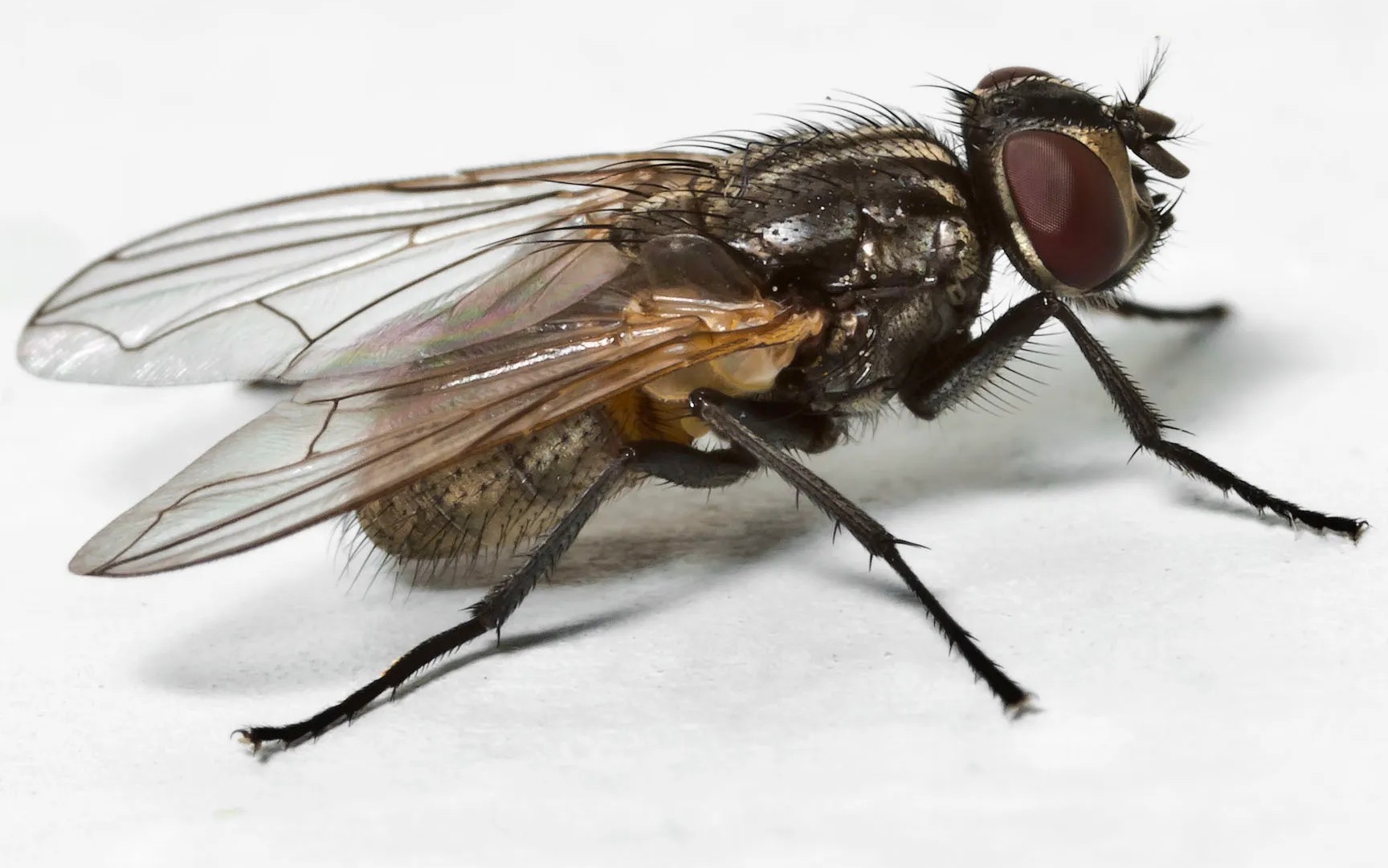
Flies are one of the most common and irritating pests found in homes, restaurants, and commercial spaces. Beyond being a nuisance, flies pose serious health risks as they can carry and transmit harmful bacteria, contaminating food and surfaces. Effective fly pest control is essential to maintain hygiene and prevent the spread of diseases.Flies are attracted to food waste, organic matter, and unsanitary conditions. Common types of flies include house flies, fruit flies, and drain flies. House flies are often found around garbage and food, fruit flies are attracted to ripened or decaying fruits, and drain flies breed in moist, organic material found in drains. Understanding the type of fly infestation helps in choosing the most effective control methods.
The first step in controlling flies is maintaining proper sanitation. Keeping your surroundings clean significantly reduces the chances of infestation. Dispose of garbage regularly in tightly sealed bins, clean food spills immediately, and avoid leaving food exposed. Kitchens and dining areas should be cleaned frequently to eliminate potential breeding and feeding sites.Eliminating breeding sources is critical in fly control. Check for areas where flies may lay eggs, such as garbage bins, compost piles, drains, and animal waste. Cleaning and disinfecting these areas regularly can disrupt their life cycle and reduce their population.
Preventing entry is another important aspect of fly control. Install window and door screens to keep flies out while allowing ventilation. Ensure that screens are intact and free from holes. Using air curtains or keeping doors closed can also help prevent flies from entering indoor spaces.Traps and baits are commonly used to control fly populations. Sticky traps, ultraviolet (UV) light traps, and bait stations can effectively capture and reduce the number of flies. These methods are especially useful in commercial settings where fly activity is high.Natural remedies, such as using herbs like basil, mint, and lavender, can help repel flies to some extent. However, these solutions are generally temporary and may not be sufficient for larger infestations.Chemical control methods, including insecticide sprays and residual treatments, can provide more immediate and effective results. These should be used carefully, following safety guidelines to avoid contamination of food and surfaces.
Proper waste management is crucial in long-term fly prevention. Ensure that trash areas are cleaned regularly and located away from entry points. Maintaining cleanliness in surrounding areas reduces the attraction for flies.For severe infestations, professional pest control services are highly recommended. Pest control experts can identify the source of the infestation and apply targeted treatments to eliminate flies effectively. They can also provide guidance on maintaining a fly-free environment.In conclusion, flies are more than just a minor annoyance-they are a potential health hazard. By focusing on cleanliness, eliminating breeding sites, preventing entry, and using appropriate control methods, homeowners and businesses can effectively manage fly infestations and ensure a safe, hygienic environment.