

Mosquito Pest Control
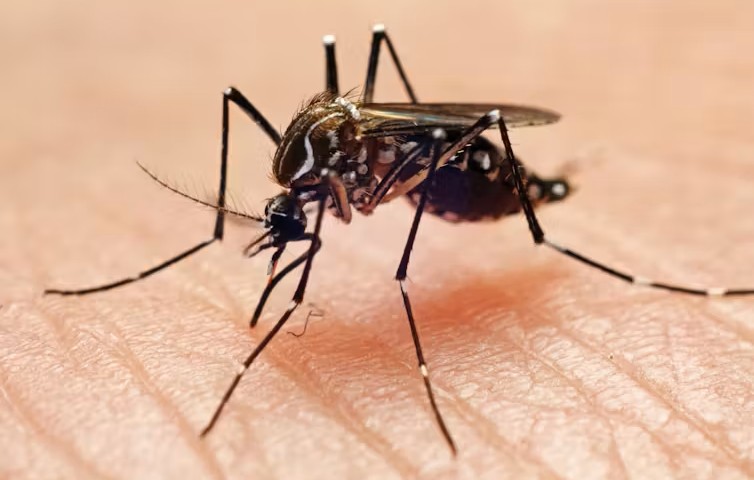
Mosquitoes are more than just a nuisance-they are one of the most dangerous pests due to their ability to transmit diseases such as dengue, malaria, and viral infections. Their presence can make outdoor activities uncomfortable and pose serious health risks to families and communities. Implementing effective mosquito pest control measures is essential for maintaining a safe and comfortable environment.Mosquitoes breed in stagnant water and thrive in warm, humid climates. Even small amounts of standing water, such as in plant pots, clogged gutters, old tires, or containers, can serve as breeding grounds. Female mosquitoes lay eggs on water surfaces, and within days, these develop into adult mosquitoes, rapidly increasing their population.The most important step in mosquito control is eliminating breeding sites. Regularly inspect your surroundings and remove any sources of stagnant water. Empty and clean water containers, ensure proper drainage, and keep gutters free of debris. Cover water storage tanks tightly to prevent mosquitoes from accessing them.
Maintaining your outdoor environment also helps reduce mosquito activity. Trim grass, bushes, and vegetation where mosquitoes may rest during the day. Keeping your yard clean and well-maintained minimizes hiding spots and makes the area less attractive to them.Using protective barriers is another effective strategy. Install window screens, door screens, and mosquito nets to prevent mosquitoes from entering indoor spaces. Repair any damaged screens promptly to maintain their effectiveness.
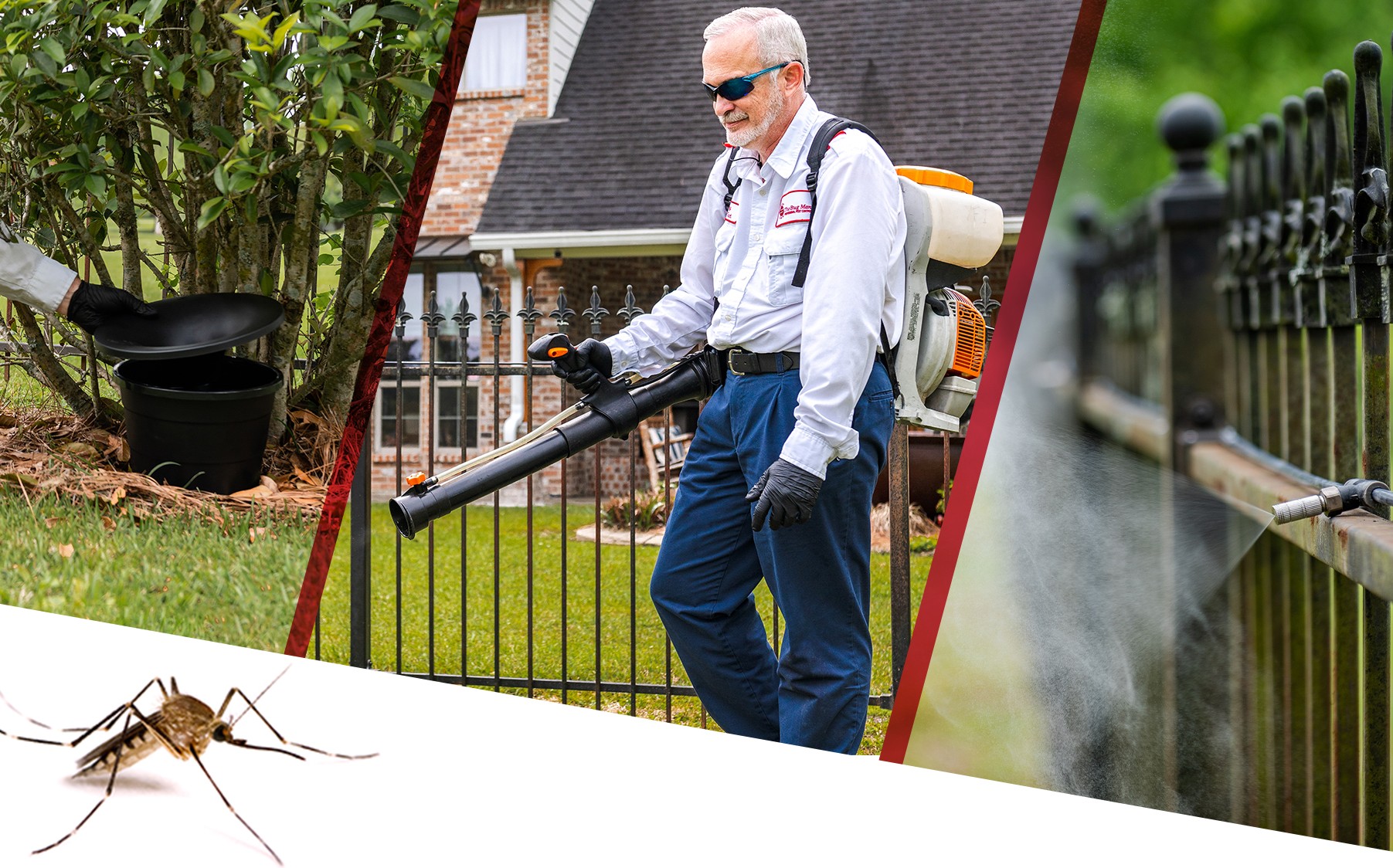
Personal protection measures can also play a significant role. Applying mosquito repellents on exposed skin, especially during early morning and evening hours when mosquitoes are most active, helps reduce bites. Wearing long-sleeved clothing and light-colored garments can provide additional protection.For more active control, insecticides and fogging treatments can be used to reduce mosquito populations. These methods are often employed in areas with high mosquito activity but should be applied carefully and in accordance with safety guidelines.Biological control methods, such as introducing natural predators like fish that feed on mosquito larvae, can also be effective in water bodies such as ponds. Additionally, larvicides can be applied to water sources to prevent larvae from developing into adult mosquitoes.
In cases of severe infestations, professional pest control services are recommended. Experts can assess the level of infestation, identify breeding areas, and apply targeted treatments for long-term mosquito management.In conclusion, mosquito control requires a proactive and consistent approach. By eliminating breeding sites, maintaining cleanliness, using protective measures, and applying appropriate treatments, individuals can significantly reduce mosquito populations. A well-maintained environment not only prevents mosquito infestations but also protects the health and well-being of everyone in the household.