

Spider Pest Control
Spiders are a common household pest that can cause discomfort and fear for many people. While most spiders are harmless and even beneficial because they feed on other insects, their presence indoors is often unwelcome. Effective spider pest control focuses on prevention, habitat reduction, and targeted treatment to maintain a clean and safe living environment.Spiders typically enter homes in search of food, shelter, and warmth. They are attracted to areas where other insects are present, such as basements, attics, garages, and dark corners. Common household spiders include house spiders, wolf spiders, and jumping spiders. Although most species are not dangerous, some, like the black widow or brown recluse, can pose health risks if disturbed.
One of the first steps in controlling spiders is reducing their food source. Since spiders feed on insects, eliminating other pests such as flies, ants, and mosquitoes will naturally decrease spider activity. Regular cleaning, vacuuming, and proper waste management can significantly reduce insect populations and make your home less attractive to spiders.Decluttering your home is another important preventive measure. Spiders prefer undisturbed areas where they can build webs and hide. Keeping storage areas organized and minimizing clutter reduces potential hiding spots. Pay special attention to closets, storage boxes, and unused spaces.Sealing entry points is also essential in preventing spiders from entering your home. Check for cracks, gaps, and holes around windows, doors, vents, and foundations. Use caulk or weather stripping to block these openings. Installing door sweeps and repairing damaged screens can further reduce entry opportunities.
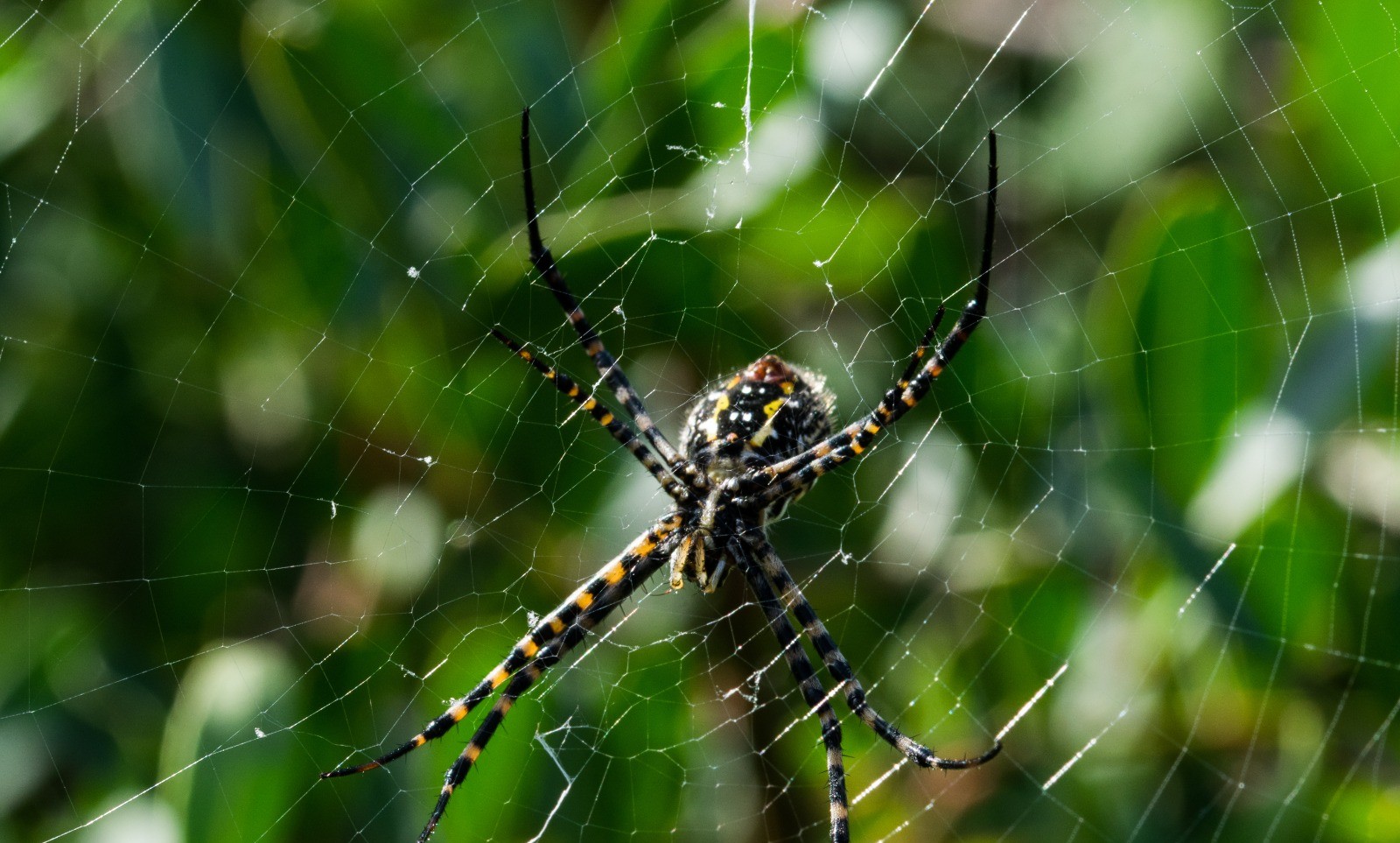

Outdoor maintenance plays a key role in spider control as well. Trim vegetation, bushes, and tree branches away from your home to prevent spiders from using them as pathways inside. Keep outdoor lighting to a minimum or use yellow bulbs, as bright lights attract insects, which in turn attract spiders.For active infestations, natural remedies such as essential oils (peppermint, eucalyptus, or tea tree oil) can act as repellents. Spraying these solutions in corners and entry points may help deter spiders. However, these methods are often temporary and may require frequent application.Chemical treatments, including insecticides and residual sprays, can provide more effective control when used correctly. These products target both spiders and their insect prey, helping to break the cycle of infestation. It is important to follow safety guidelines when using chemical solutions.
In cases of severe or persistent spider problems, professional pest control services are recommended. Pest control experts can identify the species, locate nesting areas, and apply targeted treatments for long-term results. They can also offer guidance on maintaining a spider-free home.In conclusion, while spiders play a role in controlling other pests, their presence indoors can be unsettling. By maintaining cleanliness, reducing clutter, sealing entry points, and using appropriate treatments, homeowners can effectively manage spider infestations and create a more comfortable living space.